

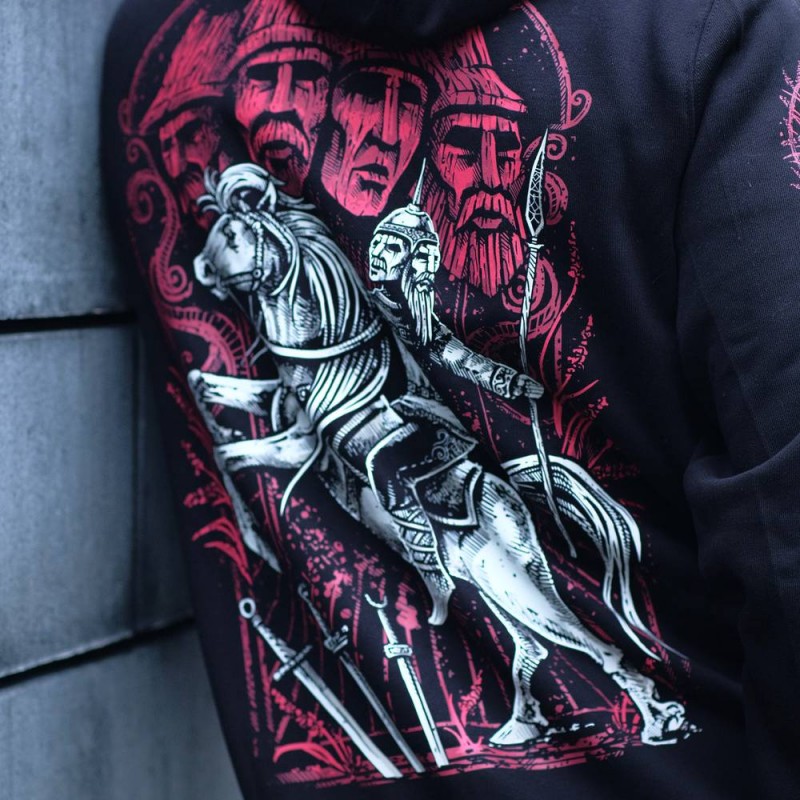






Interesting Fact:
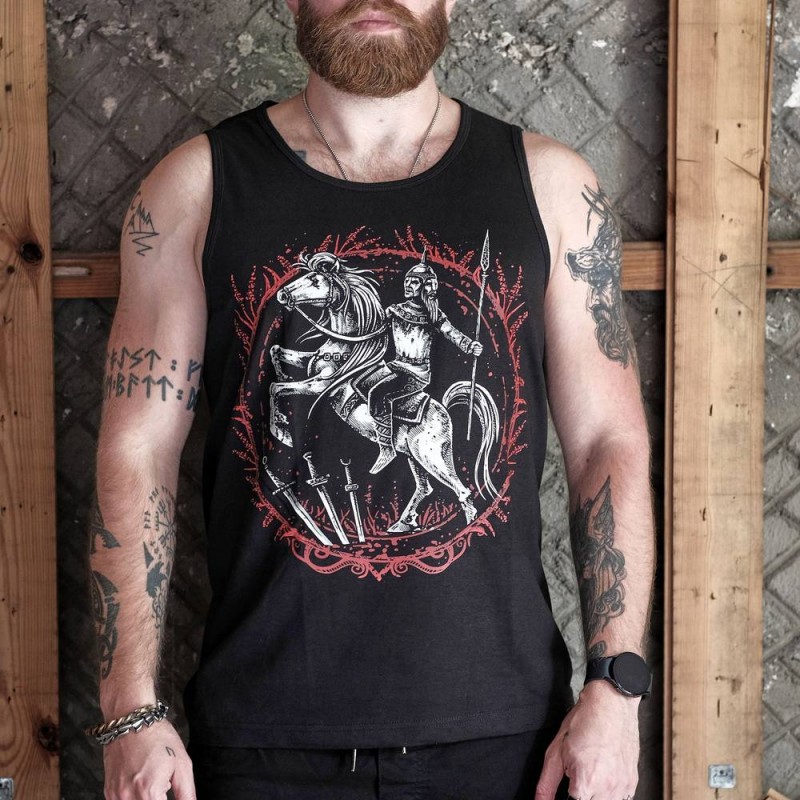
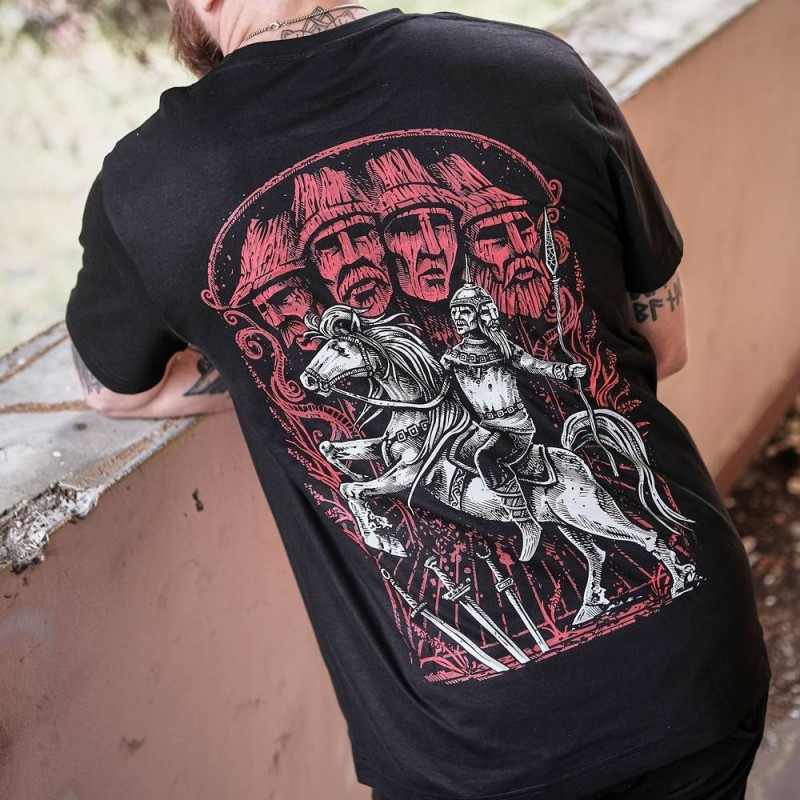
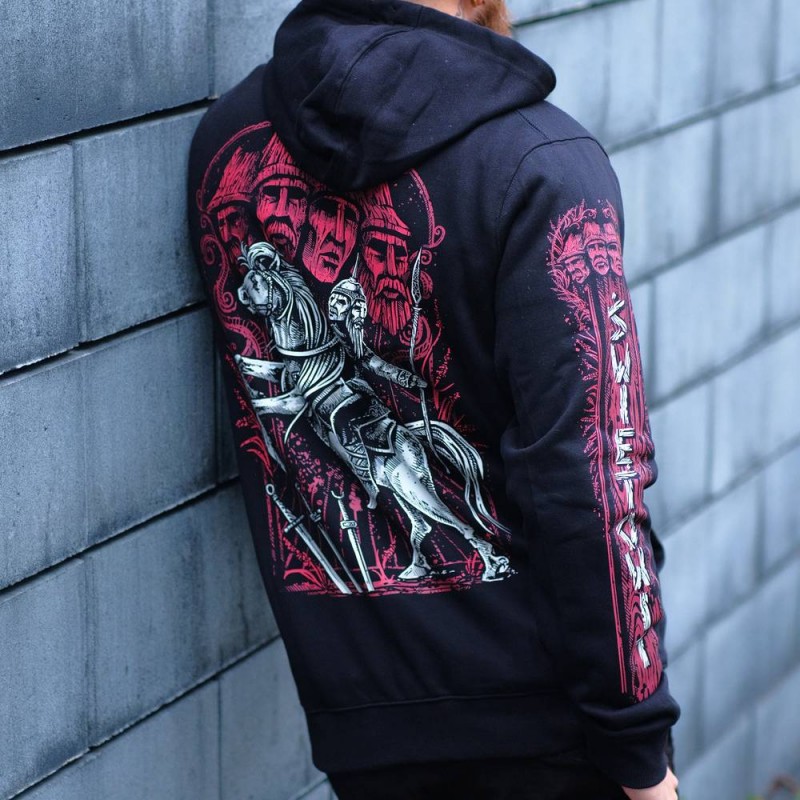
In August 1848, a part of a stone statue was discovered above water in the Zbruch River in Liczkowice near Husiatyn in Podolia. That summer was very hot, and the water level drop revealed the mysterious sculpture. After it was extracted and cleaned, it turned out the idol weighed about half a ton and measured over 2.5 meters in height. The stone block was made of sandstone with a square cross-section and relatively narrow width (30 cm).
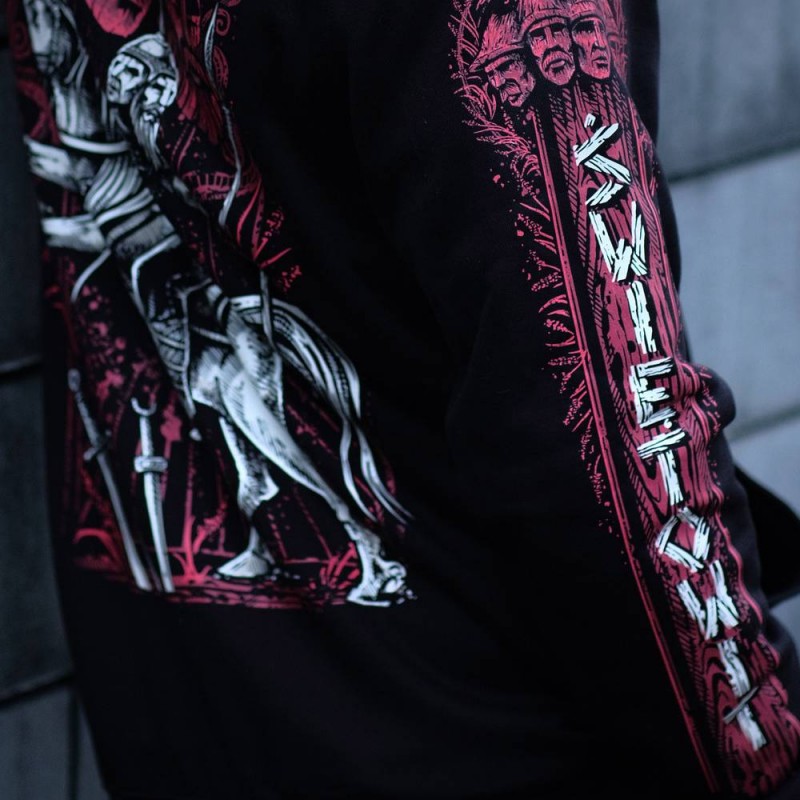
On each of the four sides, bas-reliefs were found: four faces connected by a common headdress. The middle and lower parts of the statue featured additional bas-reliefs of human figures. Joachim Lelewel - a Polish historian, polyglot, as well as a bibliographer and Slavic scholar, was asked to identify the idol and concluded it depicted the Slavic Svętowit.
Lelewel was mistaken twice.